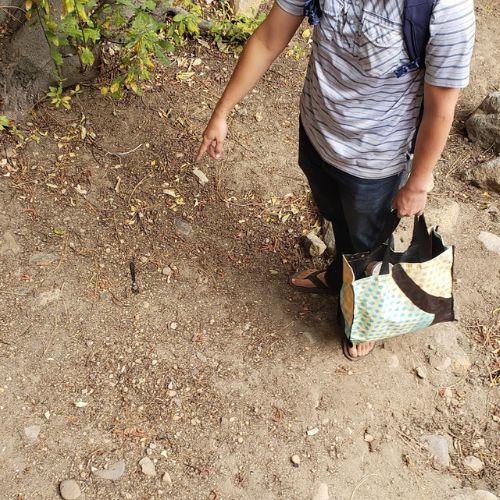
Why Count Instead Of Weighing 🔢⚖️ 🧮
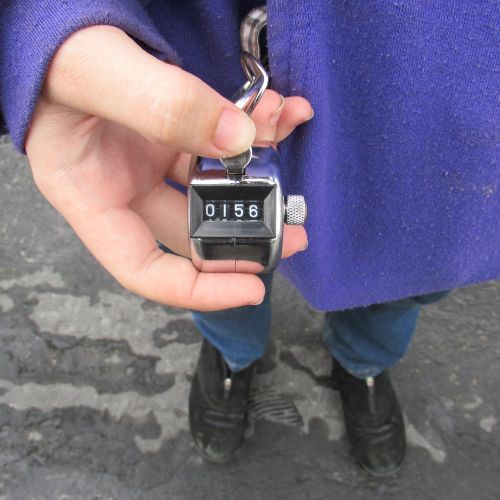
Plastics have long been recognized as one of the primary contributors to pollution, adversely affecting various ecosystems on Earth. When it comes to measuring the impact of cleanup efforts, counting the number of pieces of trash collected instead of weighing the total mass might provide a more accurate and meaningful representation of the work done. This article explores the reasons behind focusing on the number of pieces rather than the weight of collected trash.
Plastic weight remains constant when broken into smaller pieces
A single piece of plastic weighing one gram will still weigh one gram even after it has crumbled into 100 smaller pieces. Each of these smaller pieces has the potential to harm different environments and forms of life. Therefore, counting individual pieces of plastic provides a better understanding of the actual impact of the cleanup effort.
Counting pieces can be a more labor-intensive and worthwhile process
Handpicking 1000 pieces of trash in an hour is a more challenging and valuable task than collecting 10 grams of trash. By counting the number of pieces, we highlight the actual effort and time invested in the cleanup process, making it a more accurate representation of the work done.
Weighing trash can be misleading
The weight of the collected trash can create a false impression of the scale of the cleanup effort. For example, four average passenger car tires can weigh a total of 80 pounds, which might make the cleanup sound more impressive than it truly is. Focusing on counting the pieces of trash by hand and documenting each item ensures a more transparent and realistic assessment of the cleanup work.
The need for transparency and documentation
Unfortunately,many organizations that claim to weigh the trash they collect often do not provide the necessary information to verify their claims. By counting and documenting each piece of trash collected, transparency and accountability can be maintained. If an item is not photographed,it should not be counted, reinforcing the importance of proper documentation.
Conclusion:
In conclusion, counting pieces of trash rather than weighing the collected items provides a more accurate, transparent, and meaningful representation of the impact of cleanup efforts. By focusing on the number of pieces and documenting each item collected, we can maintain accountability and ensure that the true scale of the work is understood and appreciated.