How To Clean Car Wrecks 🚗💥🚙
Three Easy Steps: Plan, Prepare, Pickup.
Car accidents are unfortunately common, and the resulting debris can pose hazards to other road users and the environment. This guide outlines the steps for safely and effectively cleaning up car wrecks while ensuring minimal environmental impact and preserving your safety.
1. Plan For The Car Wreck Cleanup 📍
- Identify the Location: Assess the site carefully, considering the safety of the location, its accessibility, and the amount of debris. If necessary, contact relevant authorities for permission or support. Schedule the cleanup during times of low traffic to minimize risks.
- Adjust for Weather Conditions: In snowy or icy situations, debris might embed in the frozen surface. Remember these locations and revisit them once conditions improve.
- Locate the Car Wreck: Often, crashes are noticeable from the road due to reflections from shattered glass or large plastic debris. Always note the crash location for cleanup efforts, ensuring you review it later in a safe location away from the road.
2. Prepare For The Cleanup 🧰
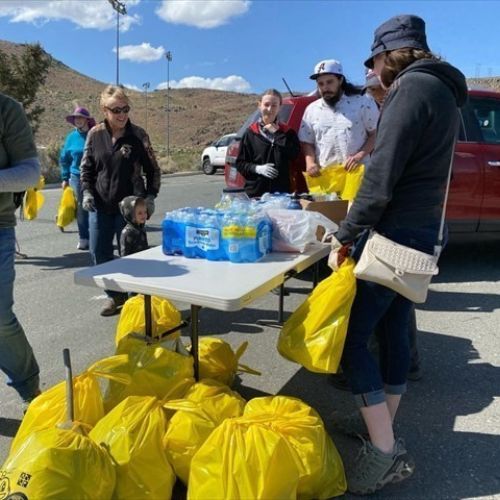
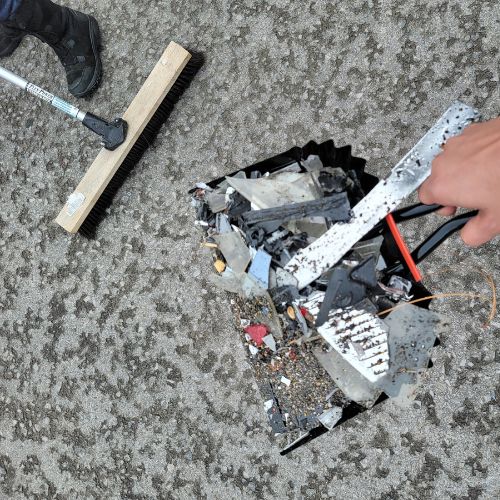
- Safety Gear and Tools: Equip yourself and any team members with the necessary safety gear: gloves, safety vests, and closed-toe shoes. Also, gather essential tools such as a commercial push broom with coarse bristles, a dustpan, and a tear-resistant bag for glass.
- Assess the Site: Determine the difficulty of the cleanup process. Consider factors like available parking, the type of road (e.g., highway, residential, roundabout), and any permissions needed.
- Plan for Safety: The majority of car wreck cleanups are safer at night due to reduced traffic. Always prioritize safety by wearing high-visibility vests and, if possible, working with a partner. If local authorities or EMS are at the scene, ensure you don't interfere with their operations and maintain a respectful distance.
3. Pickup 🚮
- Begin the Cleanup: Once you've ensured the area is safe, start the cleanup process. Work collaboratively to swiftly pick up debris, taking precautions against injuries. Always use the proper tools when handling glass fragments, and never pick up broken glass directly with your hands. All waste should be disposed of following local regulations and guidelines.
- Efficiency in Cleanup: Work swiftly and always be aware of oncoming traffic. When working at night, use the headlights of approaching vehicles as a warning to step away from the debris temporarily. Ideally, one person should sweep debris into the dustpan while another holds it, promptly emptying the contents into a bag. If using a plastic trash bag, consider double bagging or adding a cardboard layer at the bottom for reinforcement.
By following these steps, not only do you ensure personal safety but also contribute to a safer environment for all road users and help reduce potential environmental hazards.
Potential Environmental Impacts of Car Accidents Involving Windshields
Car accidents, while unfortunate, are a frequent occurrence. Beyond the immediate threats to human safety, these incidents can lead to enduring environmental ramifications. This document hypothesizes the potential environmental impacts emanating from car crashes, with a particular focus on windshields. This analysis underscores the necessity of promptly and effectively cleaning up after car accidents to mitigate detrimental environmental outcomes.
Although precise consequences require specific chemical data, the sections below illuminate potential pollutants stemming from windshield debris in car accidents:
1. Polyvinyl Butyral (PVB):PVB, integral to laminated glass windshields, exhibits low toxicity. Nonetheless, if degraded into microplastics, PVB could imperil aquatic life. Fish and marine organisms might consume these microplastics, inflicting physical harm or upsetting their feeding patterns.
2. Heavy Metals:Windshield production can involve heavy metals like lead. In car accidents, tiny glass shards containing these metals might be dispersed, potentially polluting water sources and jeopardizing aquatic life.
3. Coating Chemicals:Windshields might sport specific coatings. For instance, hydrophobic coatings, employed for rain repellence, could have silicones or fluorinated polymers. These substances, if accumulated in aquatic systems, could adversely impact the environment.
4. Tinting Compounds:Windshields sometimes feature tints comprising metal oxides or dyes. If these compounds detach from glass fragments and seep into water bodies, they might harm aquatic species or degrade water quality.
Safety Disclosure for Cleaning Up Windshield Glass
This safety disclosure is intended to provide general guidelines for cleaning up windshield glass. Please note that the information provided is not exhaustive and should not be considered as professional advice. Always consult with local authorities and professional experts to ensure compliance with any legal or regulatory requirements in your area. The author and publisher disclaim responsibility for any consequences resulting from following the information provided herein.
Safety Precautions:
- Personal Protective Equipment (PPE): Always wear gloves, safety goggles, and closed-toe shoes. These measures will protect you from potential cuts, scratches, and injuries.
- Work with a Partner: Having someone else with you can enhance safety and efficiency during the cleanup.
- Avoid Interfering at Accident Scenes: If the debris is from a recent accident, wait until emergency services and local authorities have cleared the scene.
- Stay Aware of Traffic: Be mindful of other vehicles and potential hazards. Use warning signs or cones to notify other road users of your cleanup efforts.
- Use Proper Tools: A push broom with stiff bristles, a dustpan, and a sturdy bag will help you collect and dispose of glass fragments safely.
- Handle with Care: Approach glass fragments cautiously and never pick them up with bare hands.
- Follow Disposal Regulations: Always abide by local rules when disposing of broken glass, automotive waste, or any other potentially hazardous materials.
- Seek Medical Help if Injured: Should you get hurt, seek medical attention immediately.