How Does WTE Collect Trash? 🤳 🤏 🚮
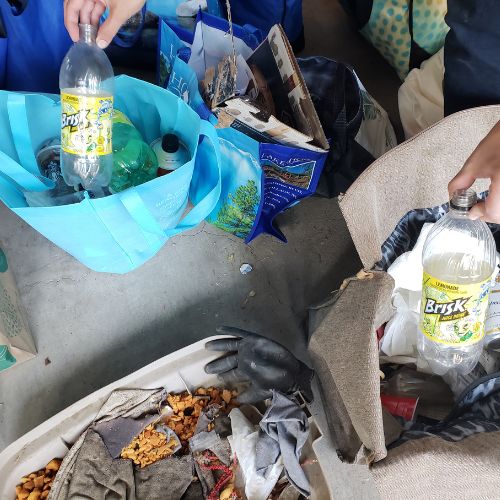
Photographing and documenting every piece of trash collected serves several important purposes, including data collection, analytics, and proofof the cleanup effort. By providing evidence of the trash collected and its location, we can better understand the growing problem oflitter and waste, as well as ensure the accuracy and accountability of our efforts.
Documentation serves multiple purposes
Photographing each piece of trash collected serves to verify the amount of trash collected, collect geographical location data, and study trends and patterns. This valuable information can help guide future cleanup efforts and raise awareness about the scale of the problem.
Safety is a top priority
When collecting trash, prioritize personal safety. Avoid hazardous materials or situations, and seek professional assistance if necessary. Always use common sense when participating in a cleanup effort.
Counting and photographing each piece
Each individual piece of trash, regardless of its size, has the potential to harm the environment and living organisms. Count and photograph every item, including broken pieces, to accurately represent the scope of the problem and the impact of the cleanup work.
Adapting to challenging conditions
In difficult weather conditions or other circumstances, take necessary precautions to ensure the trash doesn't escape. For example, pick up or step on the piece of trash to prevent it from blowing away,collect it, and then photograph it in your hands
Encouraging public participation and accountabilit
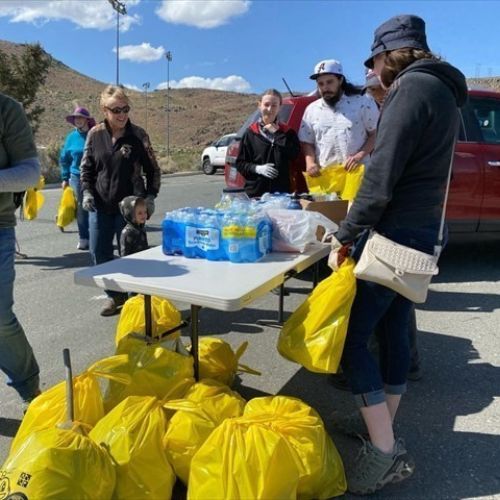
Inviteothers to join in the cleanup efforts and hold each other accountable. By working together, we can create a larger impact and maintain transparency in our actions.
Overcomingchallenges in the documentation process
Inthe early days of trash pick-ups, the process of counting,photographing, and collecting trash could be overwhelming. As aresult, some video recordings or photographs may not have capturedall the trash collected. Being aware of these limitations, we striveto improve our methods and provide accurate results.
Implementingan efficient system
To optimize the trash collection and documentation process, designateone person as the photographer and another as the trash collector.The photographer can focus on capturing images and videos, while thetrash collector keeps track of the count using a tally counter or bycounting out loud.
Conclusion:
Photographingand documenting every piece of trash collected is crucial forunderstanding the scale of litter and waste issues, ensuring accuracyand accountability in cleanup efforts, and guiding future actions. Byprioritizing safety, counting each piece, and involving the public,we can create a more significant impact on our environment and worktowards a cleaner, healthier planet.