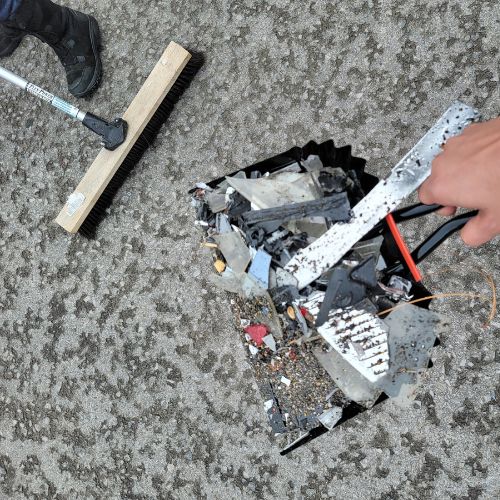
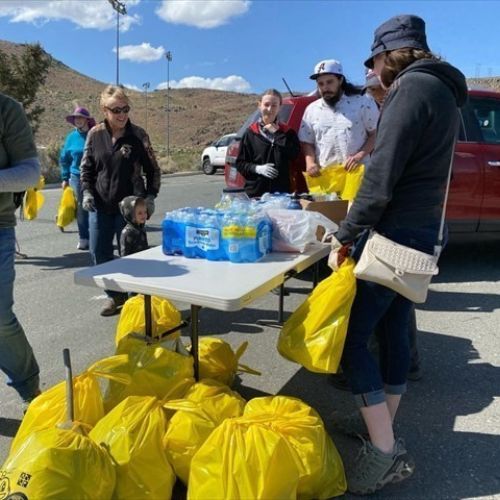
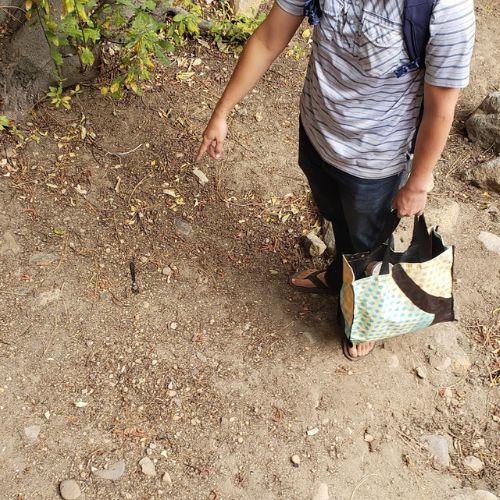
How Do I Clean Unnatural Liquids 💧🛢️💧
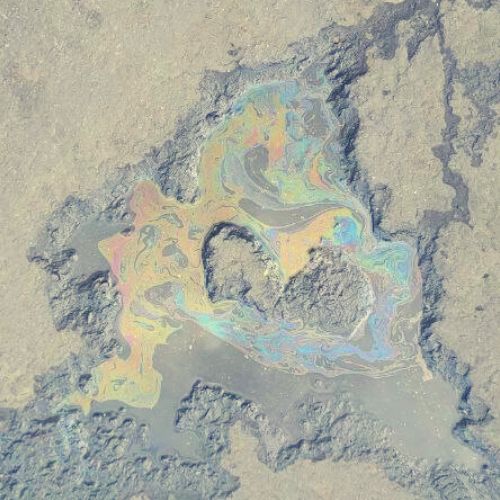
Understanding the Dangers
Unnatural liquid spills, including motor oil, paint, and other hazardous substances, pose a significant threat to our environment. These materials can contaminate soil, enter waterways, and harm wildlife, disrupting ecosystems and potentially affecting human health. The risk of chemical burns, poisoning, and long-term environmental damage underscores the importance of handling such spills with utmost care and urgency.
Safety First
Before attempting any cleanup, it's crucial to:
- Identify the substance to assess its potential hazards.
- Wear appropriate protective gear: Gloves, eye protection, and sometimes masks or respirators.
- Avoid direct contact with the substance, as it may contain harmful chemicals not immediately apparent.
Immediate Actions
- Assess the Situation: Determine if the spill is spreading and where it might flow. Immediate containment is crucial, especially to prevent entry into waterways or soil.
- Contain the Spill: Use cardboard, plastic sheets, or any available non-absorbent material to create barriers around the spill.
- Absorb the Liquid: If safe to do so, use absorbent materials like specialized spill kits, sand, or even cat litter to soak up the liquid. Avoid using paper towels directly with your hands; if they're all you have, stack them for maximum absorbency and handle with gloves.
Resourcefulness in the Moment
- In emergencies, think creatively. Use t-shirts, thrift store finds, or even your own clothing as temporary absorbents.
- Contact local authorities or environmental agencies for significant spills. They have the expertise and equipment for safe cleanup.
Working with Local Agencies
- Fire departments or environmental agencies can often assist, bringing specialized tools and knowledge.
- Expressing gratitude for their assistance, through small gifts or tokens of appreciation like food or coffee, fosters community goodwill and acknowledges their invaluable service.
Disposal and Safety
- Ensure absorbent materials are safely disposed of, following local regulations for hazardous waste.
- Never leave contaminated rags in enclosed spaces like cars, as they can release toxic fumes.
Looking Ahead
- Experimenting with innovative cleanup methods, such as using human hair to absorb oil from water, shows promise. Stay informed and involved with our ongoing research and efforts.
Your Role
Your awareness and readiness to act can make a significant difference in minimizing environmental harm. By understanding the risks, taking immediate action, and seeking help when needed, you contribute to a safer, cleaner planet.
For more information, to share tips, or to join our cleanup initiatives, contact us. Together, we can tackle environmental challenges head-on.