How Do I Clean Crumbling Plastic? 🖐️🥤🤏
How to Clean Fragile Plastic Safely and Effectively
Plan 📍🤔
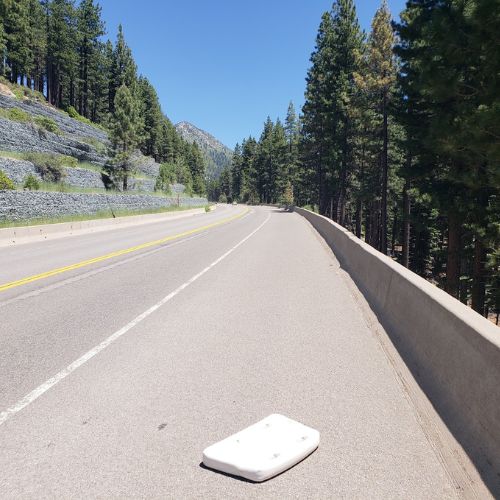
Coming across brittle, weathered plastics embedded in the soil isn't rare. Extended exposure to nature often renders these plastics delicate, breaking into pieces with minimal contact. These plastics, often found in remote hiking areas, may have traveled great distances or be partially buried.
Crucially, during planning, avoid handling these plastics directly unless you have a secondary containment method. Direct touch can further fragment them, exacerbating pollution rather than reducing it.
Prepare 🧰🔧
While gearing up for the cleanup, here are your essential tools:
- Containment: A sturdy bag or container, ideally heavy-duty contractor bags or strong vinyl containers, is essential. Common grocery or convenience store bags can cause the plastic to slip and scatter, making the problem worse.
- Gathering tools: Often, tools like a small trowel or a flat-edged tool like a credit card can be useful in scooping the plastic with the soil without causing breakage. Interestingly, human hands can sometimes be the most effective, as the plastic often sticks due to static electricity.
Note on Gloves: While gloves might seem like a go-to, there's an intriguing catch. Lightweight plastic gloves can cause brittle plastic to slip, scatter, and worsen the issue, likely due to a lack of static interaction. Thus, using bare hands is often more effective.
Pickup 🚮🗑️
The collection process involves:
- Gentle Scooping: Start by gently gathering the brittle plastic and its adjacent soil, working from the outer edges inward.
- Depth of Collection: A few inches below the surface should usually be enough.
- Ensuring Collection: Post transfer to your container, give it a gentle shake or rotate to ensure all fragments are inside.
Post-Cleanup Care:
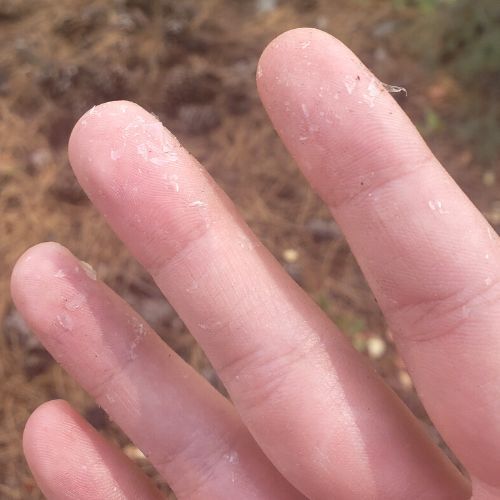
If you find yourself in remote areas without immediate access to clean water and have plastic fragments clinging to your hands, here's what you can do:
- Water Rinse: If near your car or a water source, use a waterproof bag or even a container. Have someone pour water over your hands into the container, washing away the fragments.
- Bag Rub Method: If water isn't available, take a fresh plastic bag and cover the contaminated hand. Have someone press and rub on the exterior, leveraging the static electricity to pull fragments from one bag to another.
Remember, it's vital to remove these fragments. They can easily contaminate other surfaces like your car, doors, or the natural environment.
Disposal 🚮🗑️
Many recycling facilities in the U.S. don't accept shredded plastics, regardless of their capabilities. The minute volume of such plastics isn't worth their processing time. While reaching out to waste management entities is commendable, most advise disposing of them in general trash or recycling, emphasizing the importance of preventing them from ending up in streets or drains leading to water sources.