Hosting the Perfect Cleanup: The Ultimate and Simple Guide

Hosting the Perfect Cleanup: A Practical Guide
Cleanups play a crucial role in environmental conservation, offering a hands-on way to care for our planet while fostering community spirit. Organizing a successful cleanup, however, requires more than just goodwill; it demands careful planning, coordination, and a touch of creativity. Here’s how you can host a cleanup that not only achieves its environmental goals but also leaves participants feeling empowered and connected.
Introduction
Every cleanup event starts with a vision—whether it's restoring a local beach, revitalizing a neighborhood park, or tackling pollution in urban alleys. The goal is not just to remove trash but to cultivate a community of environmental stewards, eager to protect and preserve their local ecosystems.
Materials Needed
- Protective gear: Gloves, safety vests, and sturdy bags or buckets.
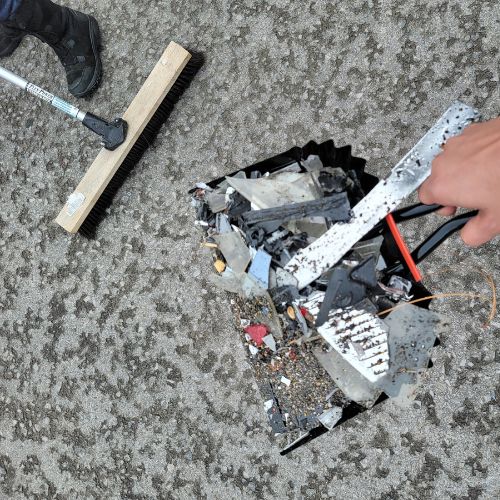
- Cleaning tools: Grabbers, brooms, and dustpans for hard-to-reach items.
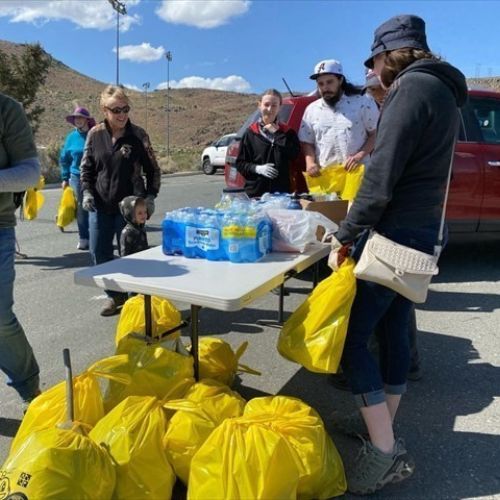
- Hydration and nourishment: Water stations and light snacks to keep volunteers energized.
- First aid kit: For any minor injuries that may occur.
Planning and Preparation
Choosing a Location
Identify areas most in need of cleanup and consider their accessibility for volunteers of all abilities. Obtain any necessary permits or permissions needed to clean the area.
Safety Measures
Outline clear safety protocols, especially if dealing with potentially hazardous materials. Brief volunteers on these protocols before starting the cleanup.
Gathering Volunteers
Leverage social media, local community boards, and word-of-mouth to recruit volunteers. Stress the impact their participation will have on the environment and the community.
Step-by-Step Cleanup Instructions
Step 1: Starting the Cleanup
Welcome volunteers and distribute materials. Divide the area into sections to manage efforts efficiently.
Step 2: Conducting the Cleanup
Encourage teamwork and ensure participants focus on safety while collecting trash. Regular check-ins can help maintain momentum and address any issues promptly.
Step 3: Sorting and Disposing of Collected Waste
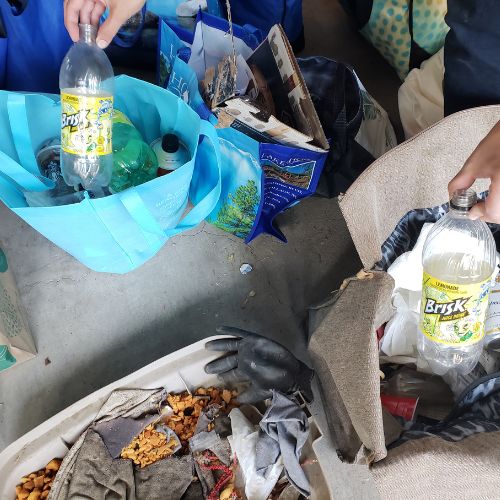
Guide volunteers in sorting recyclables from non-recyclables. Discuss the importance of proper disposal and recycling to prevent future pollution.
Step 4: Concluding the Event
Thank everyone for their hard work. Share the collective achievements—how much waste was collected and its impact. Highlight the difference made in just a few hours.
Post-Cleanup Activities
Data Collection and Reporting
Keep a record of the cleanup’s results, including the amount of trash collected and any unusual items found. This data can be invaluable for future environmental efforts and advocacy.
Community Engagement
Share the success of the cleanup across social media and local news outlets. Encourage volunteers to share their experiences and inspire others to participate in future cleanups.
Conclusion
Hosting a successful cleanup is about more than just picking up trash; it's about building a community that cares deeply for its environment. By following these steps, you can create an event that not only cleans up a space but also leaves a lasting impression on all those involved, sparking a continued commitment to preserving our planet.
Call to Action
Ready to make a difference in your community and the environment? Start planning your cleanup today and witness the powerful impact collective action can have. Together, we can create cleaner, greener spaces for everyone to enjoy.
This guide aims to equip you with the knowledge and steps necessary to host an effective and enjoyable cleanup event. By focusing on preparation, safety, and community involvement, you’re setting the stage for an event that not only addresses immediate environmental needs but also promotes long-term engagement and stewardship.